Shopping in Japan has long been an attractive activity for Vietnamese tourists thanks to the tax exemption policy directly at the store. However, the Japanese government has announced a plan to change the Tax-free mechanism from November 1, 2026, completely switching to tax refund at the border upon exit. Understanding the new regulations will help you proactively manage your budget and arrange reasonable time for future trips.
Reasons why Japan changed the Tax-free tax refund regulations
Japan's current tax exemption mechanism applies the form of direct tax deduction at the payment counter when making purchases. Although it brings great convenience to buyers, this model creates many management loopholes. Some individuals have taken advantage of this policy to buy large quantities of tax-free goods and then resell them in the Japanese domestic market to profit from consumption tax.
To overcome budget losses and ensure fairness, the Japanese government decided to switch to a tax refund model later. Visitors will have to pay the consumption tax in full at the time of shopping, then go through procedures to receive a tax refund when they actually leave Japan. This model has been applied successfully in many European and Asian countries.
Current Tax-free regulations Vietnamese tourists need to remember
From now until November 1, 2026, traditional tax exemption regulations will continue to be in effect. Visitors shopping at stores with the Tax-free symbol need to reach a minimum total bill value of 5,000 Yen (excluding tax) on the same day at a business establishment to apply this policy.
The list of goods is divided into two separate groups with different management conditions:
- General goods: Including clothes, shoes, electronics, bags. Buyers are allowed to use it immediately during their stay in Japan.
- Consumer goods: Including cosmetics, food, medicine, functional foods, and beverages. Maximum purchase limit of 500,000 Yen per day at one store, must be sealed in a specialized bag and cannot be opened for domestic use.
Visitors are required to present an original passport with a short-term stay stamp. The store does not accept photocopies, screenshots or other personal documents.
How does the new tax refund mechanism from November 1, 2026 work?
From November 1, 2026, the duty-free shopping process in Japan will change fundamentally. When purchasing at retail locations, visitors will pay the full invoice value including consumption tax (usually 10%, or 8% for some food items). The store will record transaction information electronically and send data directly to the Japanese Tax Agency system.
When arriving at the airport or international port to exit the country, travelers bring their goods, electronic invoices and passports to the customs area. After the system confirms exit data and physically checks the goods if necessary, the tax amount will be refunded to the traveler. Refund methods can be via credit card, e-wallet or cash depending on the infrastructure at each border gate.
Impact of new regulations on travel budgets and schedules
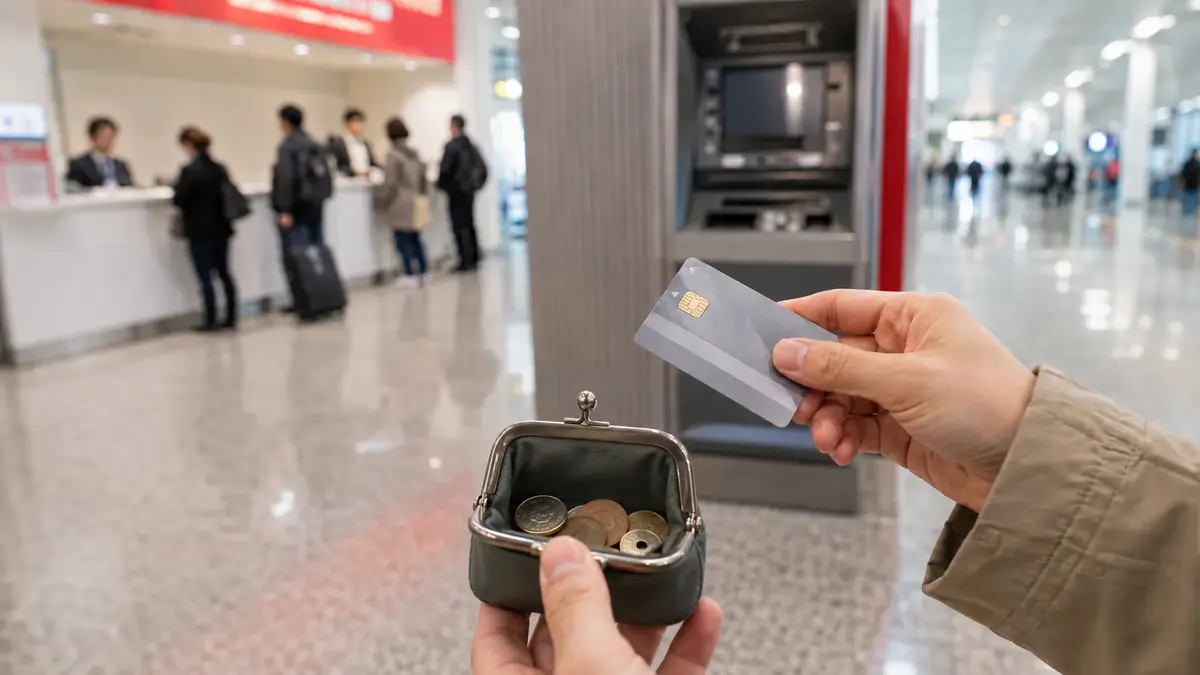
Switching to a tax refund mechanism at the border requires tourists to prepare larger initial financial resources. Instead of just preparing the actual payment amount after tax deduction as before, you must be ready to limit your card or cash for the entire value including tax. For example, with an order worth 100,000 Yen, you need to pay 110,000 Yen at the shopping counter and wait until the day you return to receive the 10,000 Yen tax back.
In addition to financial factors, check-in time at the airport will also be longer. Visitors need to plan to be at the airport earlier than the usual schedule to complete customs checks, especially during peak tourist seasons such as sakura flower season or red leaf season.
Tip: Keep all shopping receipts in a separate compartment and place high-value items in an easy-to-access location in your carry-on luggage for convenient presentation when customs officials request inspection.
Prepare documents and connect to the internet when shopping in Japan
The transition to an electronic tax refund system means that all tourist purchase data is synchronized online. Japan has integrated many features for declaring and managing shopping information on the Visit Japan Web platform. Travelers can register their passport information and create a tax-free QR code in advance to make shopping smoother.
Since the process relies heavily on digital data, keeping a constant internet connection throughout the trip becomes important. Travelers should prepare a stable mobile network solution right from the moment they land at the airport. Proactively using eSIM helps you look up Tax-free shopping location information, check invoice status and operate the Visit Japan Web application anytime, anywhere without worrying about interruption.
Experience in packing luggage and managing shopping invoices
For the tax refund process at the airport to go smoothly, luggage classification and packaging play a very important role. For liquid items such as cosmetics, alcohol or perfume purchased for duty-free consumption, travelers cannot bring them in hand luggage due to flight safety regulations. In this case, you need to notify the airline staff at the baggage check-in counter for instructions on customs inspection before checking in.
Electronic items, branded items, and high-value watches should be neatly arranged in carry-on luggage. Customs officers at the airport have the right to request comparison of actual products with purchase data on the system. If you cannot present the product or the bag seal is broken, your refund may be denied.
Frequently asked questions
Can consumer goods sealed in plastic bags be opened and used in Japan?
Are not. If you tear the sealed bag or use the product before exiting the country, the customs office has the right to cancel the tax refund right and request payment of fines or tax arrears according to regulations.
Which airports do the new tax refund regulations apply to?
The new tax refund policy from November 1, 2026 will be applied uniformly at all international airports and seaports across Japan, including Narita, Haneda, Kansai, Fukuoka and Centrair.
What additional costs do tourists need to prepare when shopping under the new mechanism?
You need to prepare a reserve budget for prepaid consumption tax at the store. Some tax refund locations at the airport may also apply a small processing service fee that is deducted directly from the tax refund amount.
If I buy liquid items that exceed the carry-on capacity, how do I process a tax refund?
You need to bring your luggage to the customs check area at the airport before checking in your luggage at the airline counter. The customs officer will scan the goods inspection code, then you will proceed to check your luggage normally.
Closing
Changes in the Tax-free tax refund policy from November 1, 2026 require Vietnamese tourists to be more proactive in financial planning and time allocation when traveling to Japan. Timely tracking of information and careful preparation will help your trip go smoothly. To ensure continuous network connection to declare Visit Japan Web and look up shopping information, you can see Japanese eSIM plans at shibaSIM with the ability to receive QR codes for instant activation.